
Top 5 Influential Women in STEM

It's International Women's Day! We thought we'd combine this with Science Week to discuss some of our favourite influential women in STEM. From pioneers in biology and mathematics to heroes of nature, women have always played an important role in our understanding of the world. It's about time we celebrated them!
Top 5 Influential Women in STEM

Marie Curie
Marie Skłodowska-Curie was a Polish scientist born in 1867. She was a pioneer in the field of radioactive research and discovered two new elements – polonium and radium. Her research revolutionised how we treat cancer patients; she even won two Nobel prizes throughout her life for her work. She sadly died of radiation exposure at the age of 66, and her notebooks are still so radioactive that they are stored in lead-lined boxes.

Mary Seacole
Mary Seacole was born in Jamaica to a Jamaican doctress and a Scottish British Army officer. She was the first free black woman to write and publish an autobiography. Mary studied the disease Cholera after an outbreak in Jamaica and used her knowledge to help soldiers fight infection during the Crimean War. She also regularly visited the battlefield on horseback, delivering food, bandages, and medicine.

Jane Goodall
Jane Goodall was a conservationist and activist best known for her work with Chimpanzees at Gombe Stream National Park in Tanzania. With no formal academic training, Jane studied chimpanzee behaviour and discovered things that completely revolutionised our view of primates. She observed chimpanzees eating meat (previously considered herbivores) and using tools they had made, as well as developing strong social and emotional bonds among pack members. She then worked for the national park for twenty years before setting up chimpanzee refuges and campaigning for animal rights.
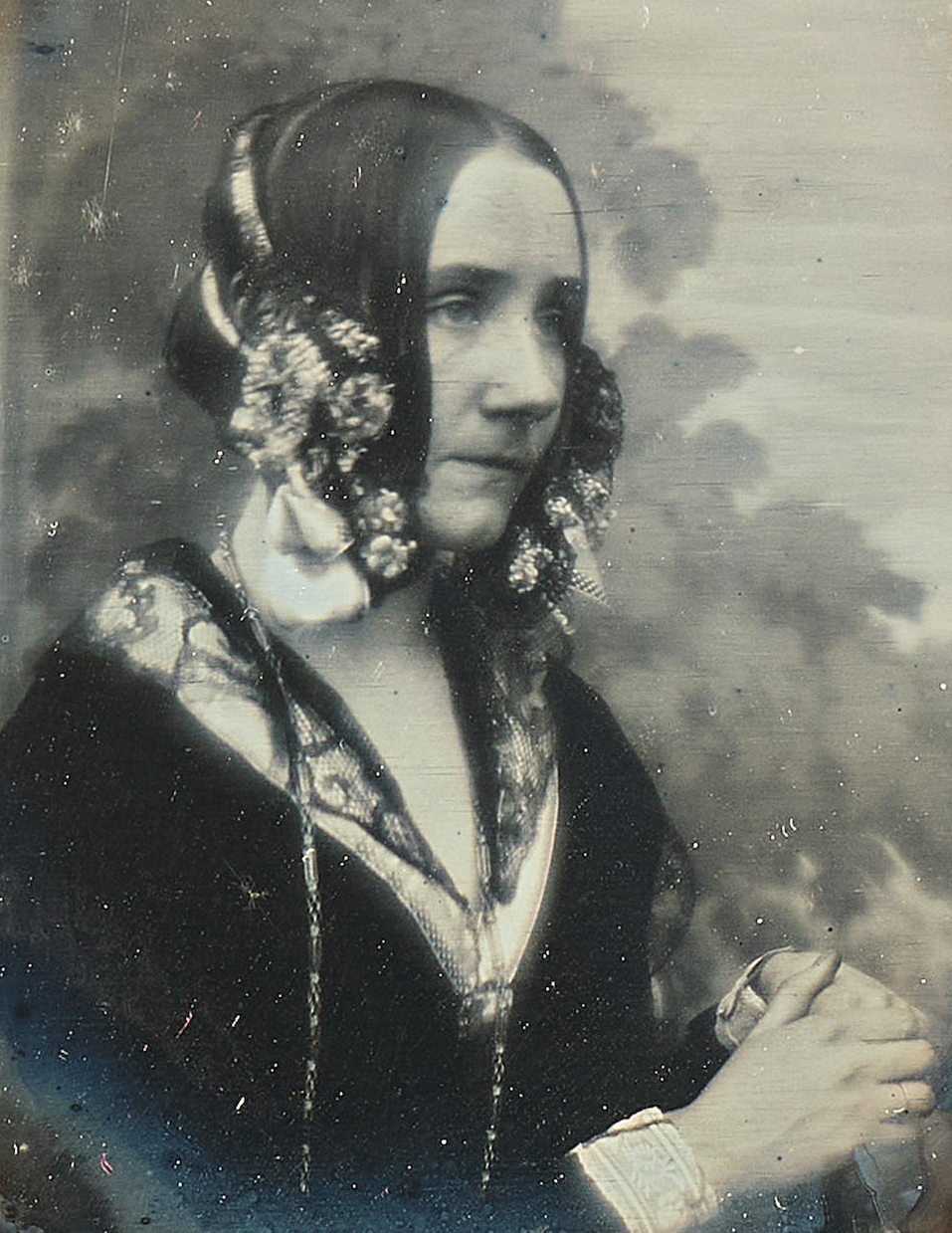
Ada Lovelace
Ada Lovelace is considered the first computer programmer, although living long before the invention of the computer. She was the daughter of the famous poet Lord Byron, and her mother insisted she be tutored in maths and science. She became the mentee of mathematician Charles Babbage and made brilliant observations about an early version of a calculator he was inventing. She likened it to a weaving machine in the way it followed patterns and considered that a machine could do the same to create numbers and even letters. These were the early formations of computer-related thinking.

Rosalind Franklin
Rosalind Franklin is often considered one of the most famous victims of male prejudice for her work on DNA structures. She was the person who took the X-ray image that led to the first double-helix model of DNA, yet her two male co-workers took the credit and denied her a Nobel Prize. She also discovered that DNA strands change depending on the humidity around them. However, her contributions to research extended beyond DNA; she also made significant advances in understanding coal, graphite, and viruses.
So, there you go! Who is your favourite woman in STEM? Let us know in the comments! If you're interested in learning more, get in touch to book one of our STEM workshops!


Comments