
Weird and Wonderful Animal Eggs From Around the World
Updated: 4 minutes ago
It's World Egg Day! Our world is full of some truly strange and interesting eggs! From eggs stored on animals to spongy protective coverings, animals have evolved traits which ensure the survival of their young against all odds. Read on to learn some of our favourite weird and wonderful eggs from around the world!
Weird and Wonderful Animal Eggs From Around the World
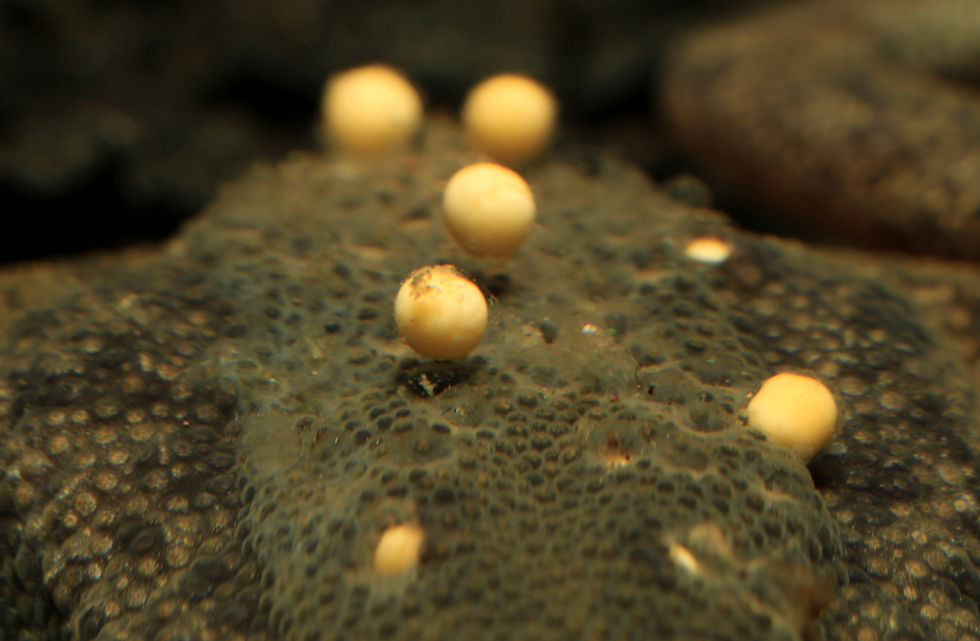
Surinam toads
Surinam toads have incredibly strange eggs! What sets these amphibians’ eggs apart from others is that they’re grown on the backs of the females! When mating, the female will release 60 to 100 eggs that are then fertilised and pushed back into the female’s back by the male. The eggs then become embedded in the toad, with skin growing around them until they’re completely covered. After growing for 3-4 months, the toadlets wriggle around to loosen the skin around their egg until they can burst through their mother’s back and make their way into the world!
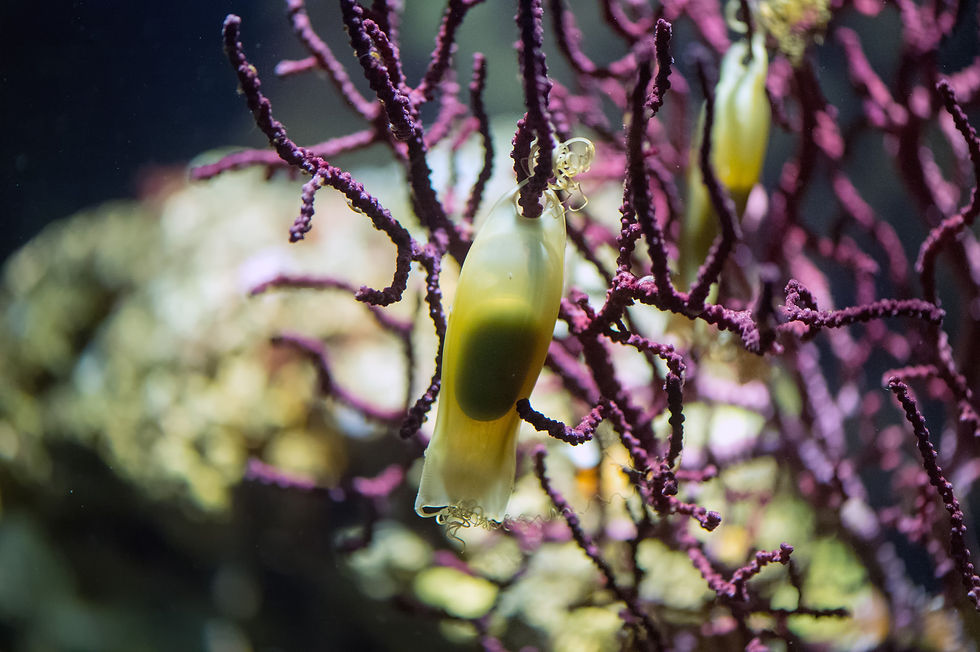
Mermaid's Purses
Sadly, not real mermaid’s purses, these eggs are laid by sharks and get their names due to their resemblance to handbags! Sharks reproduce in many unique ways. Some give birth to live young (viviparous), while others lay eggs. Due to the nature of the ocean – with strong currents and curious predators – these sharks have evolved ingenious ways to ensure their newborns survive. Some eggs attach to the sea floor or seaweed via long tendrils. Californian horn sharks lay corkscrew-shaped eggs, which they lodge in the little spaces between rocks.
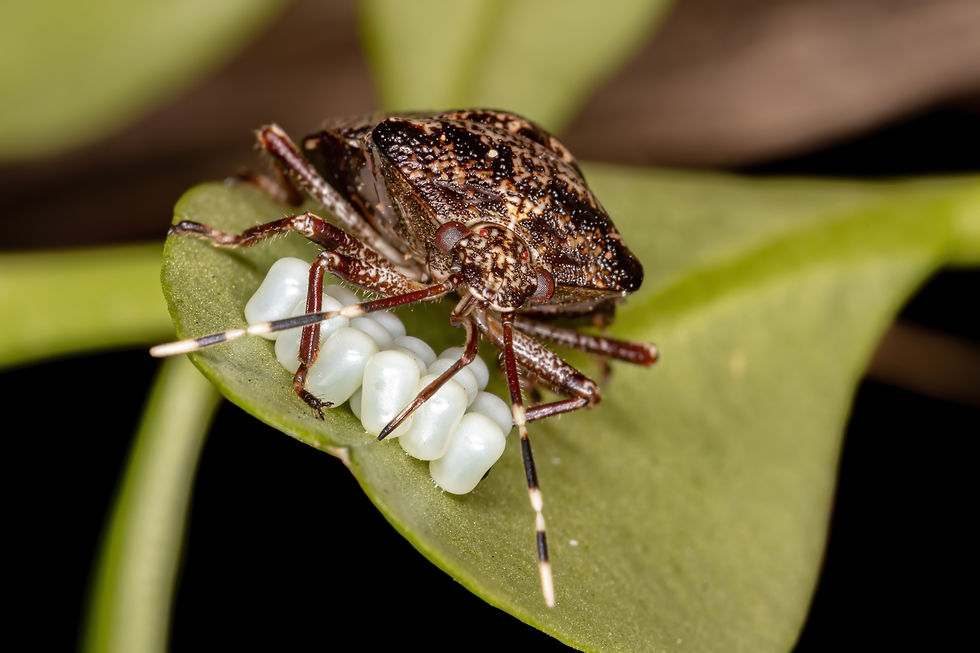
Stink bugs
Stink bugs get their name from their defensive tactic – they can secrete a foul-smelling liquid to deter predators. Their eggs are just as strange! These tiny insects lay barrel shaped eggs in clusters of between 20-30. They can also adjust their colour as they mature in order to blend in with their environment and avoid being eaten by predators.
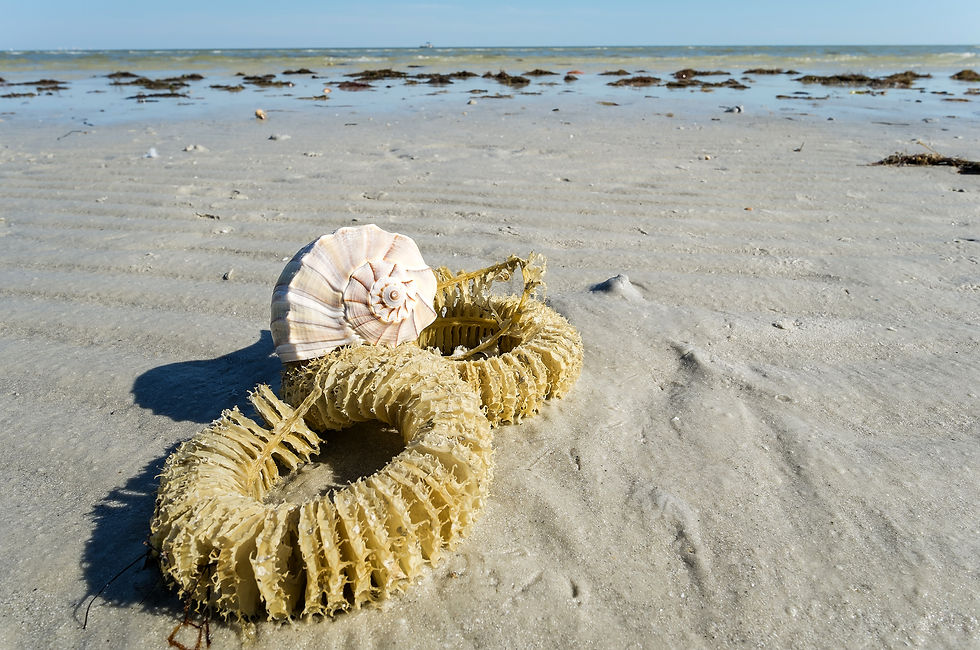
Whelks
Whelks are a type of sea snail found across the UK. They have a rather different way of laying eggs. They can lay around 2000 eggs in one clutch, deposited in a spongy, spiral-like structure. Even though they lay a huge amount of eggs in one go, the success rate is small, with only around 1% hatching and surviving to adulthood. Once hatched, the spongy structures often find their way to the shores and have been nicknamed 'Mermaid's Necklaces'.
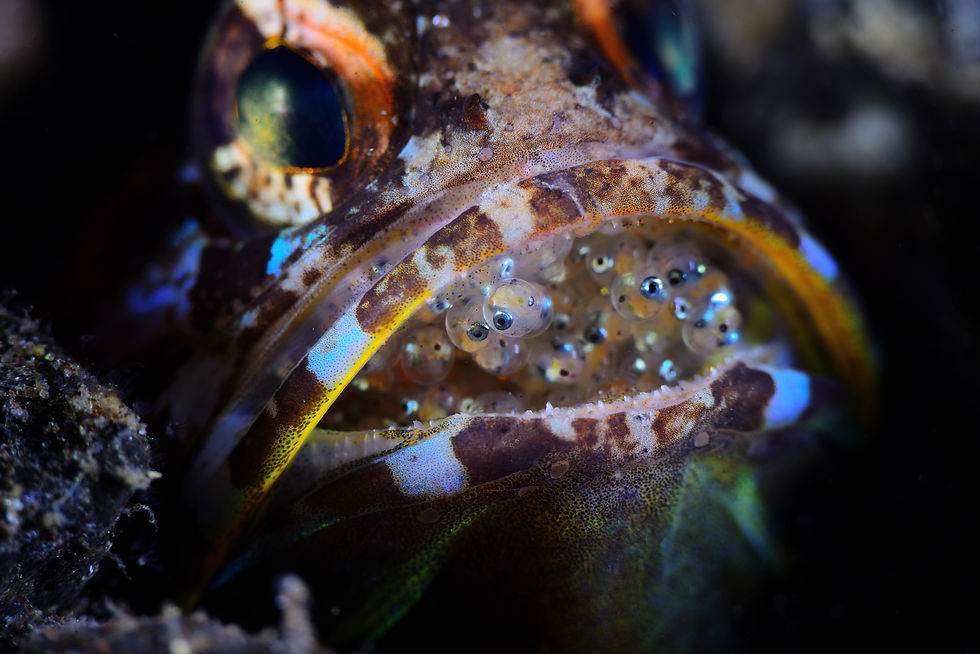
Jawfish
This animal is not interesting in the look of their eggs but the way they are incubated! Jawfish are one of over 50 species that takes part in a process known as 'mouthbrooding', meaning that they incubate eggs for a length of time in their mouths. This is mainly done to protect the eggs and ensure that all are accounted for. They can keep hundreds of eggs in their mouths for up to 80 days, although they do take breaks by spitting them out into a nest so that they can eat and clean the eggs.
Feel like you learnt something new today? Learn even more in our Lifecycles workshop!
GUESS THE ANIMAL EGG ANSWERS
Snake
Quail
Crocodile
Frog
Shark


Comments