
5 Weird and Wonderful Minibeasts

It's National Insect Week! Minibeasts have existed for around 550 million years and make up 97% of all living things on Earth! They come in so many different shapes and sizes, and some of these are stranger than others! So, we've decided to share some of our favourite weird and wonderful minibeasts from around the world!
5 Weird and Wonderful Minibeasts

Thorn bug
As the name suggests these creatures often get mistaken for the thorns of plants, due to their point backs! This thorn helps protect them from predators like birds from eating them – nobody wants to eat something sharp! They live on fruit trees and other ornamental plants in the tropical areas of North and South America, and lay their eggs beneath the bark of these trees.
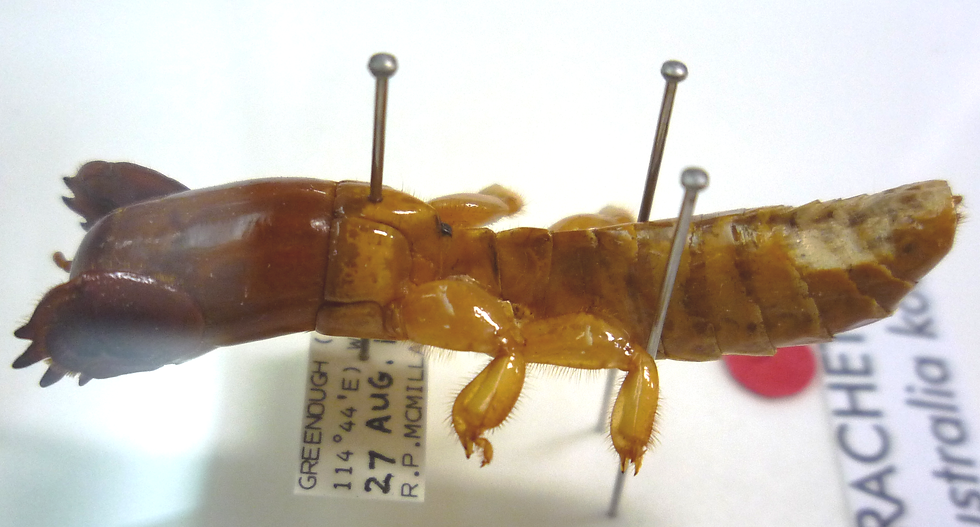
Sand groper
Not much is known about this little critter. It is believed that they’re a distant cousin of the grasshopper and are a common pest seen by farmers in Western Australia. Their bodies are strange, resembling a beetle or insect-like mole up top and a grub at the bottom. They are supposedly herbivorous but specimens have been found with animal matter in their digestive systems.

Venezuelan poodle moth
The discovery of this moth was considered a hoax. A German zoologist, Dr. Arthur Anker, photographed the moth for the first time in a national park in Venezuela, commenting that it was probably part of the Artace genus of moth. They’re likely called the poodle moth due to their fluffy white fur.

Giraffe necked weevil
These minibeasts are pretty weird! They get their name from their long necks, which help them find mates, defend their territory, and gather resources. Males can have necks measuring 2 – 3 times longer than females. They are particularly interesting to beetle researchers, as they exhibit sexual dimorphism, meaning that the males and females of the species look distinct from each other.
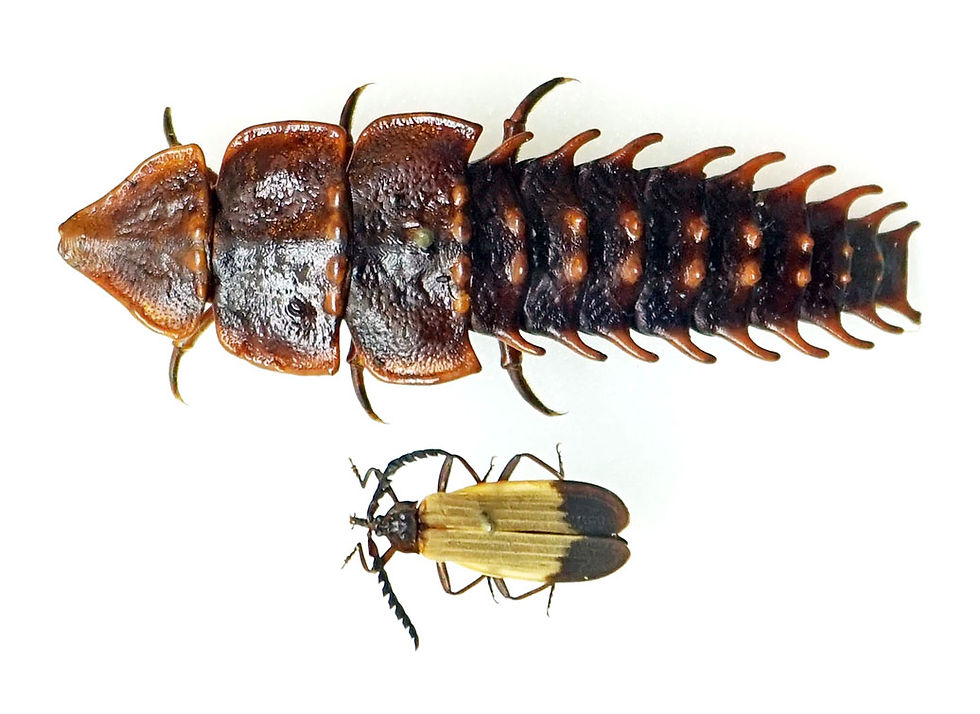
Trilobite beetle
Trilobite beetles look practically prehistoric, and they get their name from the females’ resemblance to the trilobites of the dinosaur age. The females are remarkable in many ways, missing out the pupal stage completely and becoming sexually mature as larvae. They are also much larger than the males, reaching up to 7cm long!
So, there you go! Which was your favourite? Let us know in the comments and check out our minibeasts workshop!


Comments