
Keeping Animals Cool in Summer

The sun has returned and with it some particularly scorching weather! It's more important than ever during these heatwaves to make sure our furry, scaly, and slimy friends are comfortable and happy, so read on for some tips on how to keep your animals cool in the summer!
Keeping Animals Cool in Summer

Mammals
Generally, it's a good idea to keep mammals out of direct sunlight and provide plenty of places to hide in the shade and ways to cool down. You can also help them cool by:
Ensure they have bowls of ice water to drink throughout the day
If your animals require exercise or outdoor access, limit this to early morning and late evening, which are the coolest parts of the day.
Gerbils may be a little more tolerant to heat (27°C max) but should always have a cool space to retreat to and access to water.
Incorporate ice or cold water into their enrichment time. This could be...
Offer a bottle of ice wrapped in a sock to sit near (but do not force them to do so)
Offer frozen treats or 'pea fishing'
Wipe them down with a towel soaked in cool water
Symptoms of heatstroke in mammals
Heavy panting
Distressed or noisy breathing
Restlessness or agitation
Pacing
Seeking shade or water
Drooling
Red gums or tongue
Increased heart rate
Vomiting or diarrhoea.
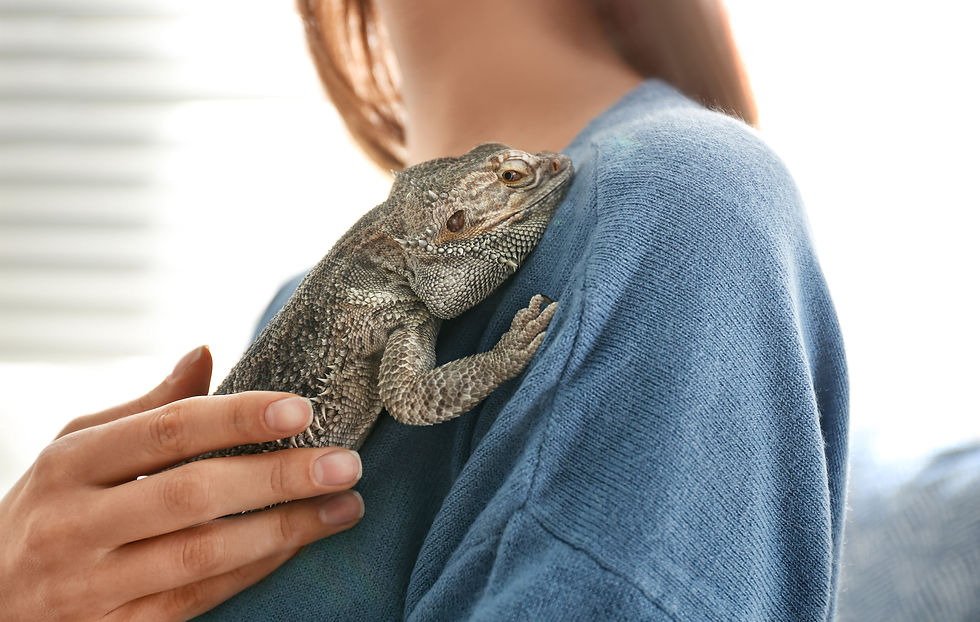
Reptiles
You may think that because reptiles live in warmer climates, they cannot overheat but they certainly can. Keep an eye on the temperature of their enclosure and monitor thie behaviour for signs of overheating. Also consider...
If the temperature at the cooler end of your tank is higher than 27°C (for corn snakes, royal pythons, leopard geckos, etc.), put ice in a tea towel in the cool end of the enclosure to lower the temperatures.
Thoroughly spray animals down. Substrate should never be dry, especially in hot weather. If you think you're overdoing it, do it more.
Offer them a drink of water.
You can give them a light misting with tepid (never cold) water, or cover their body with moist paper towels to slowly lower their body temperature.
You can use a syringe and slowly dribble tepid water near the mouth to encourage a little drink, but do not put the syringe in the mouth, as too much water can get into the lungs and risk aspiration in the lungs.
Symptoms of heatstroke in reptiles & amphibians
Heavy panting/rapid breathing
Shakiness/staggering
Disorientation
Refusing food
Wobbly/unbalanced
Loss of consciousness.

Amphibians & Invertebrates
Amphibians and Invertebrates are particularly susceptible to the heat. Amphibians in particular usually have more delicate skin that needs to be kept moist. Keep them cool by...
Not using heat mats
Spray animals frequently, especially frogs and snails.
Amphibians: overheated frogs are at risk of dehydration and desiccation. Offer the frog a cool (NOT cold) bowl of water to sit in.
Invertebrates: lightly spray the animal with cool (NOT cold) water and ensure the substrate is hydrated to provide cool areas.
Symptoms of heatstroke in reptiles & amphibians
Heavy panting/rapid breathing
Shakiness/staggering
Disorientation
Refusing food
Inability to perch (frogs)
Wobbly/unbalanced
Loss of consciousness.

General advice
No heat sources without thermostats.
Keep any enclosures out of direct sunlight
Ensure all animals have access to clean, fresh water.
Change the water bowls daily. If you're using a soil-based substrate, pour the old water into the soil and refill.
If you can leave windows open, do so, but ensure you use curtains and blinds to prevent direct glare on animal enclosures.
If any animals show signs of heatstroke, please contact a vet.

On the road with animals
Ideally, it's best practice to leave your animals cool and calm at home to lower the chances of becoming distressed. But, if you have to travel with them, you should...
Use air conditioning in your car.
On particularly hot days, travel with ice packs, insulating them with towels, and placing them near your animals.
Travel with full spray bottles and carry full bottles of water to refill them with to mist down reptiles and amphibians.
NEVER leave animals in the car unattended and/or for long periods of time
So there you go! With more sunny days on the horizon, it's more important than ever to keep our lovely pets cool. Want to learn more? Check out our dedicated workshop!


Comments